
Evermill Brickwork Blog
Categories
-
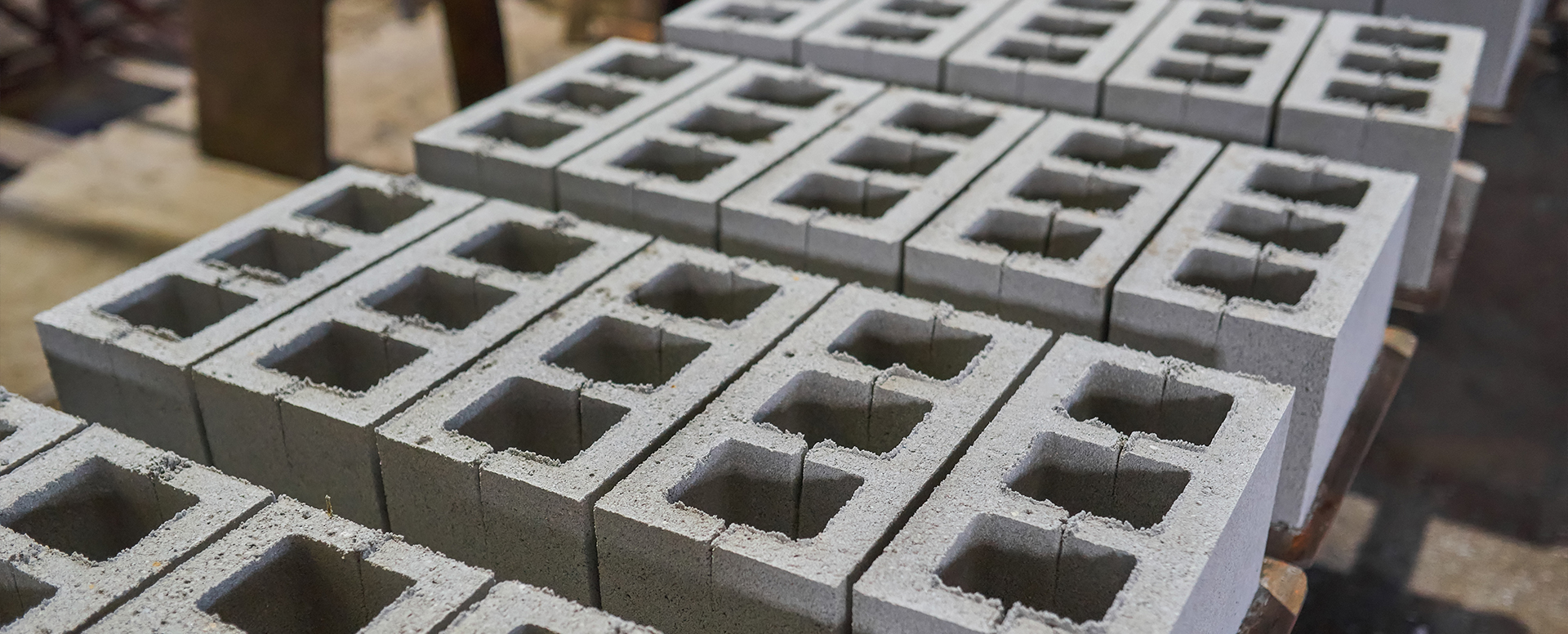
The Aesthetics of Blockwork: Beyond Functionality
Read More >>: The Aesthetics of Blockwork: Beyond FunctionalityBlockwork, commonly associated with functionality and strength, also possesses significant aesthetic potential. Modern architecture is exploring the use of blockwork not just for its structural benefits but also for its visual appeal. Aesthetic Potential of Blockwork Blockwork can contribute significantly to the visual impact of a building. The use of textured, coloured, or patterned blocks can create striking facades. Architects are increasingly using blockwork in creative ways, integrating it into the design to enhance the building’s overall aesthetic. Architectural Integration Integrating blockwork with other materials, such as glass, steel, or wood, can result in a harmonious blend of textures and…
-

Innovations in Masonry: Building a Sustainable Future
Read More >>: Innovations in Masonry: Building a Sustainable FutureMasonry, a traditional construction technique, is evolving with the integration of innovative practices and materials, making it more relevant and sustainable in the modern era. Emerging Trends in Masonry Recent innovations in masonry include the development of lightweight, energy-efficient materials and the incorporation of recycled materials into bricks and blocks. These advancements not only reduce the environmental impact of construction but also improve the thermal performance of buildings. Sustainability in Masonry Construction One of the key aspects of modern masonry is its contribution to sustainable building practices. The use of locally sourced materials reduces transportation costs and emissions, while the…
-
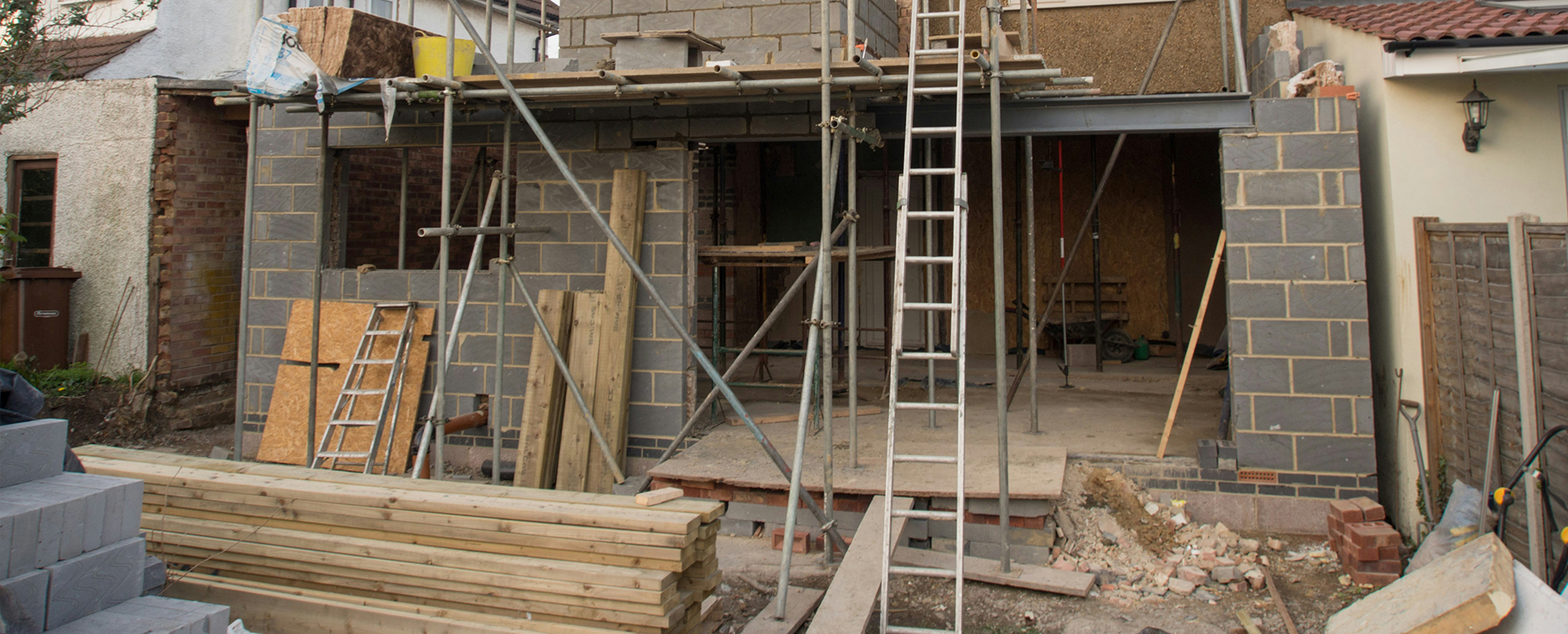
The Role of Brickwork in Residential Construction
Read More >>: The Role of Brickwork in Residential ConstructionBrickwork is a popular choice in residential construction, known for its durability, aesthetic appeal, and low maintenance. It offers homeowners a timeless look along with practical benefits. Popularity in Residential Construction Brickwork is favoured for residential buildings due to its versatility in design and colour. It can be adapted to various architectural styles, from traditional to modern. The use of different types of bricks and mortar colours allows for unique and personalized designs. Benefits of Brickwork The durability of brickwork makes it a cost-effective option in the long run. Bricks are resistant to fire, pests, and weather, requiring minimal maintenance.…
-
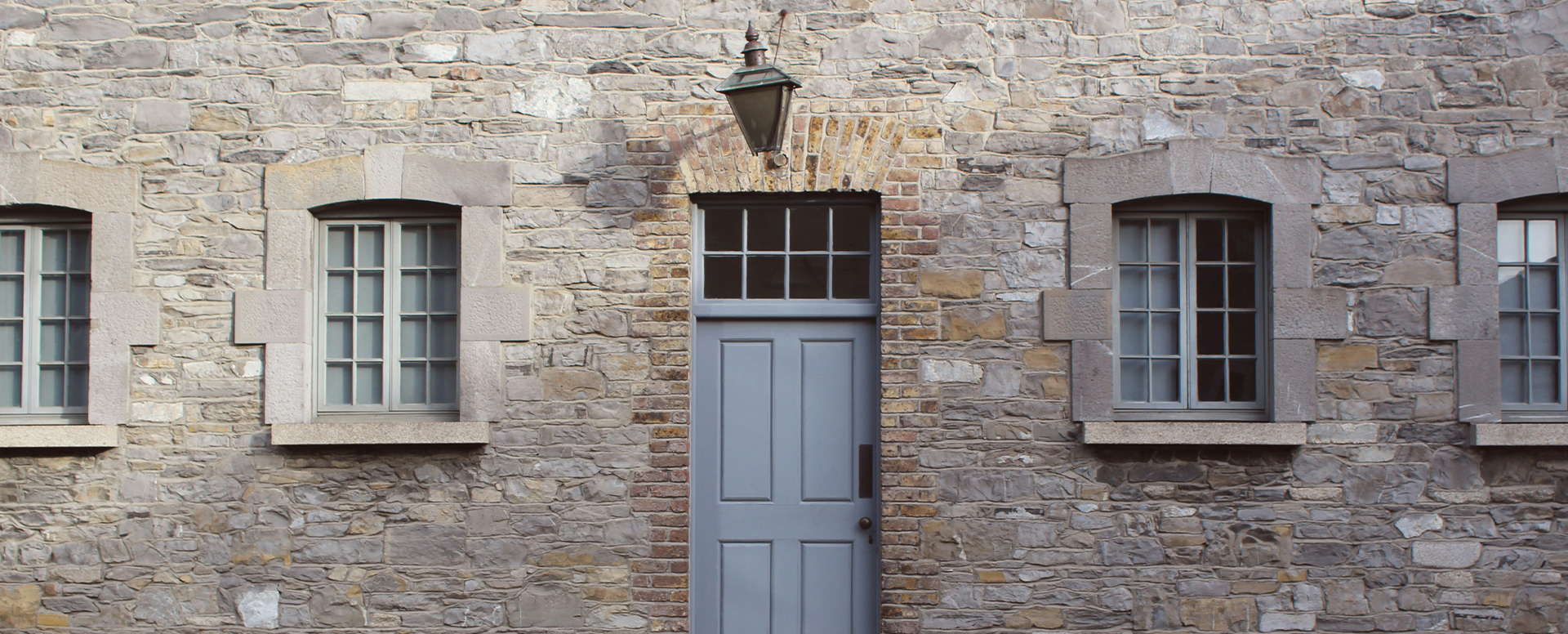
Masonry Restoration: Preserving History
Read More >>: Masonry Restoration: Preserving HistoryMasonry restoration is a vital field focused on preserving and restoring historic buildings. It involves a careful blend of traditional craftsmanship and modern technology to maintain the integrity of historical structures. Importance of Masonry Restoration Historical buildings are not just structures; they are a tangible link to our past. Masonry restoration plays a crucial role in preserving these cultural and historical artifacts for future generations. This process not only retains the building’s aesthetic appeal but also ensures its structural safety and functionality. Techniques and Challenges in Restoration Restoration experts face unique challenges, such as matching the old masonry materials and…
-
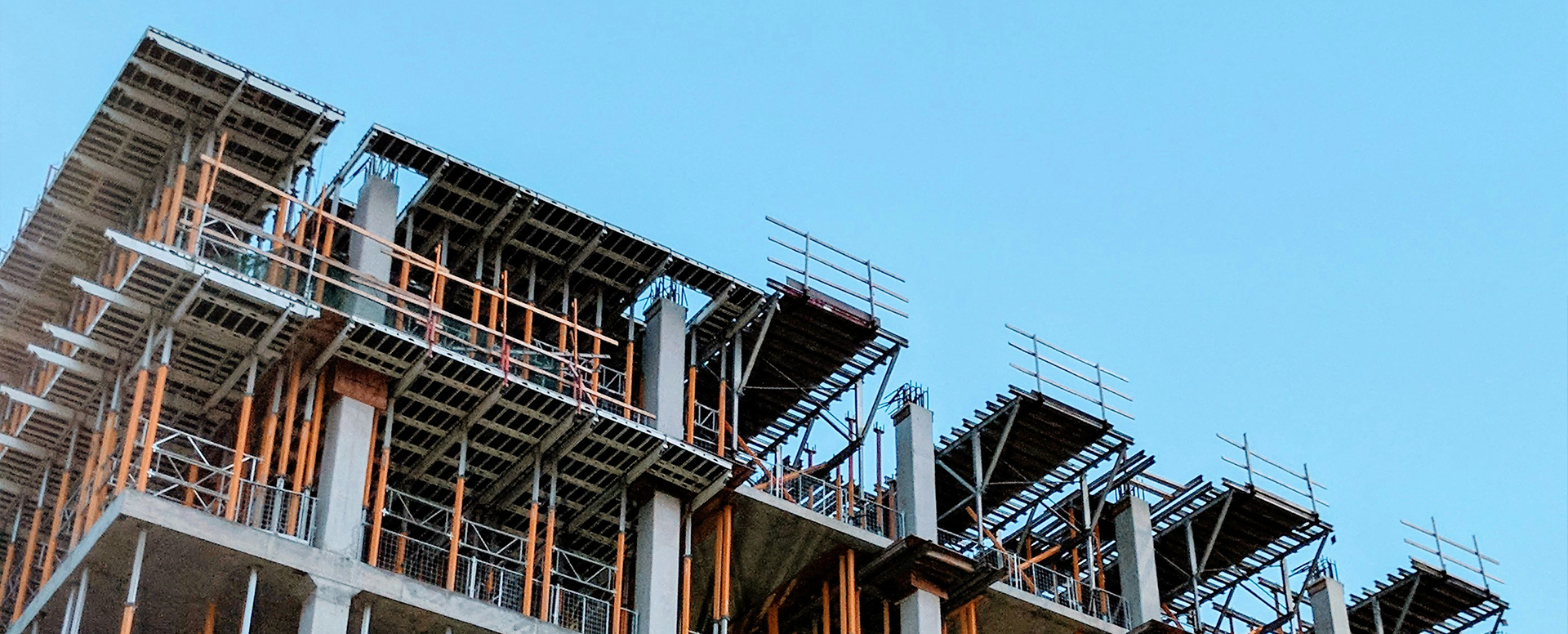
Understanding Blockwork in Commercial Construction
Read More >>: Understanding Blockwork in Commercial ConstructionBlockwork is a key component in commercial construction projects, offering robustness and efficiency. It involves the use of large, concrete or cement blocks, which are laid similarly to bricks but on a larger scale. Significance in Commercial Projects In commercial construction, blockwork is often chosen for its ability to create large, sturdy structures quickly and economically. The blocks’ larger size means fewer units are needed, speeding up the construction process. This is particularly beneficial in large-scale projects like office buildings, warehouses, and retail centers. Advantages of Blockwork The advantages of blockwork in commercial construction include its strength and durability, making…
-
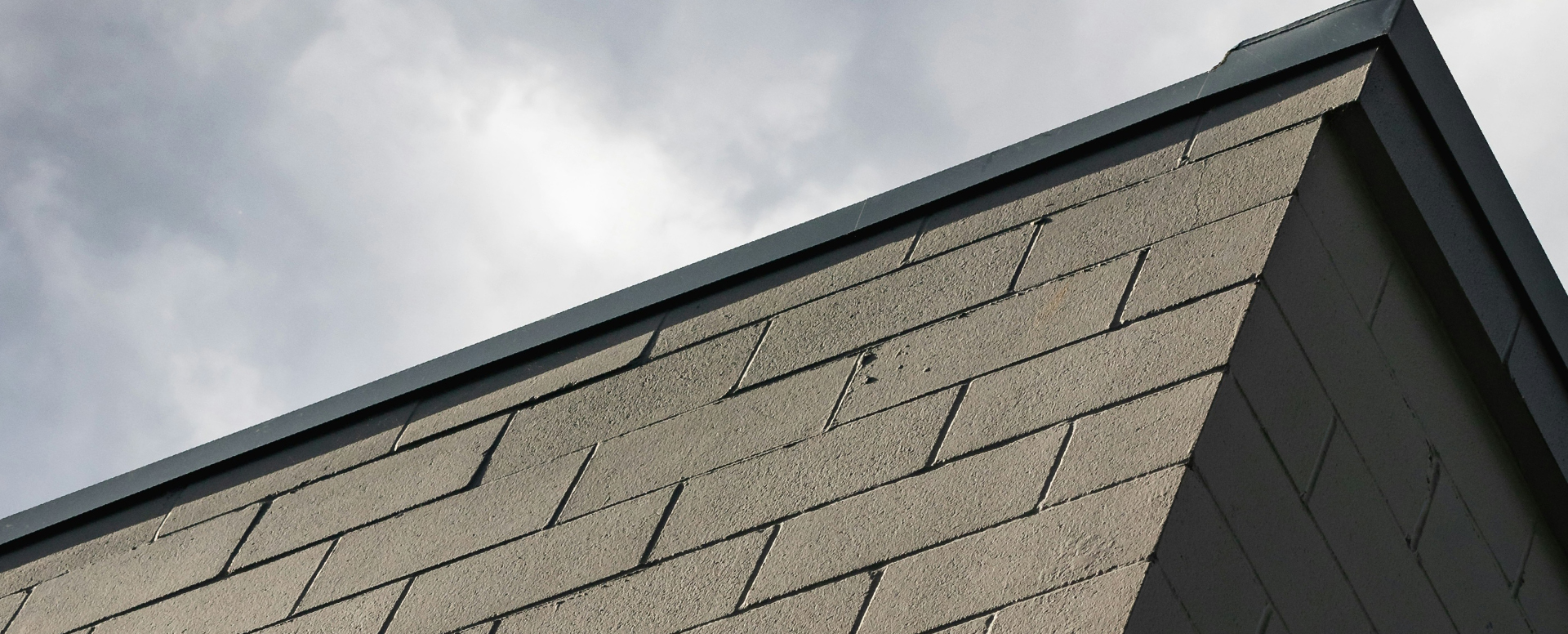
Masonry: Blending Tradition with Modernity
Read More >>: Masonry: Blending Tradition with ModernityMasonry, one of the oldest construction techniques, involves building structures from individual units of materials like stone, brick, or concrete blocks, bound together by mortar. This method has been used for centuries, creating structures that stand the test of time. Materials and Techniques Masonry materials vary widely, with each offering unique benefits. Stone masonry, for instance, is known for its strength and aesthetic appeal, while brick and concrete block masonry offer versatility and ease of use. Modern masonry often combines these traditional materials with innovative techniques and tools, enhancing efficiency and precision. Traditional vs. Modern Masonry While traditional masonry relies…
-

Advancements in Blockwork and Its Impact
Read More >>: Advancements in Blockwork and Its ImpactBlockwork is a crucial aspect of modern construction, offering robustness and versatility. It involves the use of larger blocks (compared to bricks) made from materials like concrete or aerated concrete. These blocks are laid in a manner similar to brickwork, but due to their size, they allow for faster construction times. Types and Applications Concrete blocks are widely used for their strength and uniformity, making them ideal for structural walls and foundations. Aerated concrete blocks, known for their lightweight and thermal insulation properties, are often used in interior walls and partitions. The choice of block type depends on the specific…
-

Basics of Brickwork
Read More >>: Basics of BrickworkBrickwork has been a cornerstone of construction for millennia, combining durability with aesthetic appeal. This timeless method involves laying bricks in a systematic manner, using mortar to bind them together. The result is a strong, enduring structure that can withstand the elements for generations. Types of Bricks and Their Uses Bricks come in various types, each suited to different needs. Commonly used types include clay bricks, known for their classic red colour and excellent thermal properties, and concrete bricks, favoured for their uniform size and shape. Firebricks, made from refractory ceramic material, are essential in high-temperature environments, while engineering bricks…
-
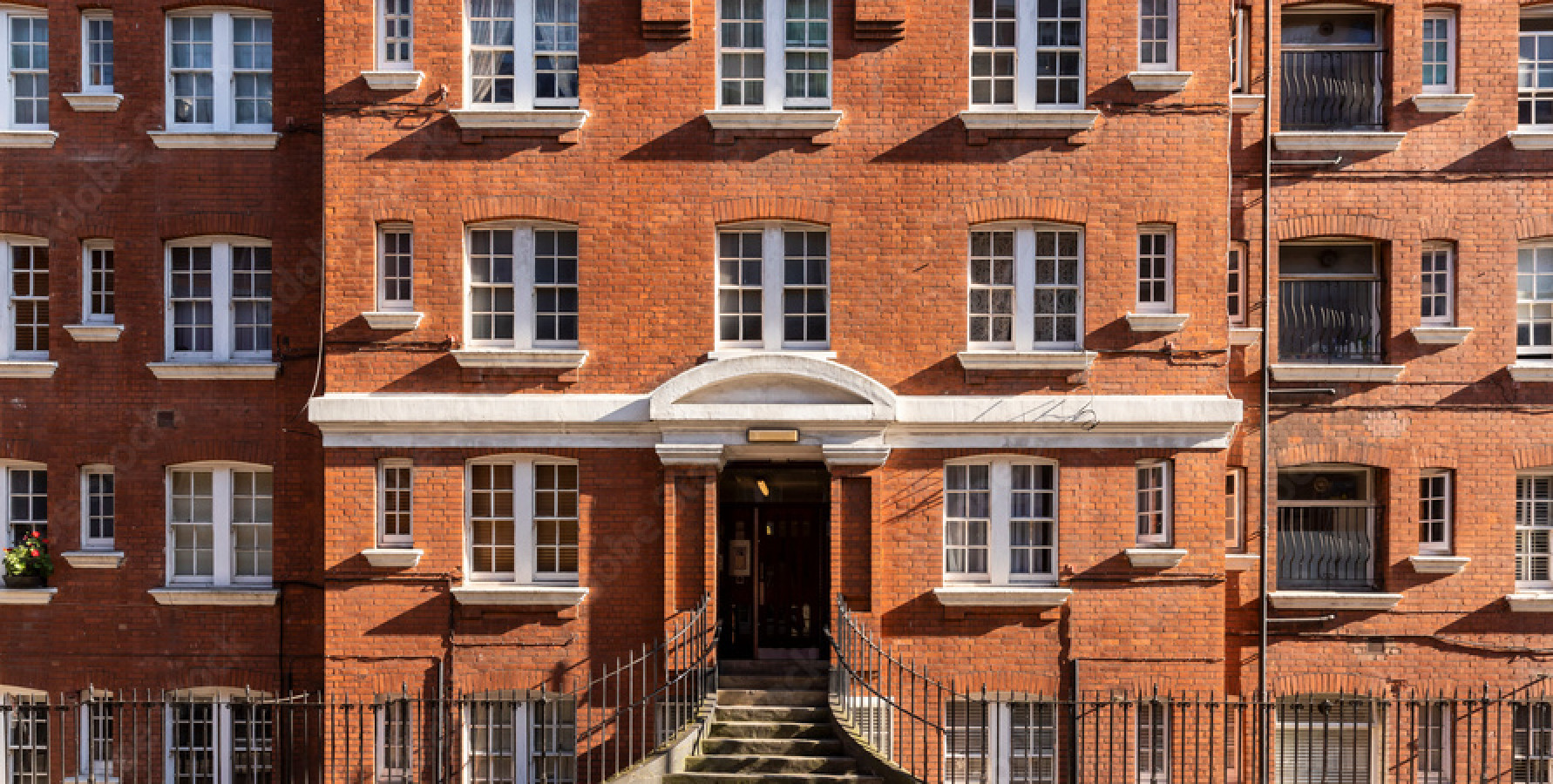
The Art of Bricklaying: Skills and Techniques
Read More >>: The Art of Bricklaying: Skills and TechniquesBricklaying is an essential skill in the construction industry, requiring precision and attention to detail. It’s not just about placing bricks together; it’s about creating structures that are both sturdy and aesthetically pleasing. Key Skills in Bricklaying Professional bricklayers are skilled artisans. They must have a thorough understanding of different types of bricks and how they behave under various conditions. They should also be adept at reading and interpreting construction plans and possess a keen eye for alignment and symmetry. Bricklaying Techniques Several bricklaying techniques are vital for different construction needs. These include the ability to lay bricks in various…